

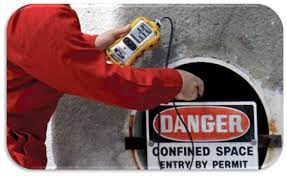
This training program equips the Participants with knowledge to conduct gas testing within confined spaces and awareness of associated confined space hazards. Trainees will also learn about relevant legislative requirements, gas measuring, monitoring equipment, and documenting gas test results.
Training Methodology:
This interactive training course includes the following training methodologies as a percentage of the total tuition hours:
20% Lectures
80% Visual Practical Exercises, Case Studies, Games, Customized Videos, Site Visits, Simulations, Role Play, Group Skill Sessions.
In an unlikely event, the course instructor may modify the above training methodology before or during the course for technical reasons.
Authorised Gas Tester Training (OPITO Approved)-Course Outline
Module 1: Authorised Gas Tester -Introduction
Lesson 1: Confined space criteria
Lesson 2: The type of operations being tested for flammable and toxic gases
Lesson 3: The hazards of operations within an oxygen-enriched, oxygen-deficient, toxic or flammable environment
Lesson 4: Carrying out a suitable and sufficient risk assessments
Lesson 5: Understand the safe systems of work, how to work within the safe system of work and the associated responsibilities
Lesson 6: The implications of statutory and organisational requirements
Lesson 7: Interpreting operational requirements
Lesson 8: How to select, use and care for PPE and RPE
Lesson 9: How to access and interpret the relevant operational instructions
Lesson 10: The operating principles of atmosphere monitoring and measuring equipment and frequently observed failure modes
Lesson 11: The strengths and weaknesses of the various types of atmospheric flammable and toxic gas detection equipment
Lesson 12: How to correctly select between aspirating and non-aspirating detectors to obtain a representative sample of the atmosphere being tested
Lesson 13: Equipment required for testing for hydrocarbons in inert atmospheres
Lesson 14: Gas detector pre-start checks
Lesson 15: Determining the extent of the test boundaries
Lesson 16: Calibrating the instruments used in atmospheric testing
Lesson 17: Sources of assistance in the event of damaged or defective equipment
Lesson 18: How to interpret the results, to include both normal and abnormal
Lesson 19: How to document the results and advise relevant personnel
Module 2: Testing for Flammable Gas in Preparation for Hot Work
Lesson 1: Hot work (any operation involving naked flames or producing heat and/or sparks or any operation that has spark potential)
Lesson 2: The type of operations being tested for flammable and toxic gases
Lesson 3: The principles of hot work gas testing
Lesson 4: The hazards and properties of flammable gases
Lesson 5: Acceptable levels of flammable gases and the correct amount of oxygen
Lesson 6: Carrying out a suitable and sufficient risk assessment before testing activities
Lesson 7: Using safe systems of work and understanding the associated responsibilities
Lesson 8: The different types of detectors used for the flammable product
Lesson 9: How to set up the relevant detector for each gas testing application and confirm its correct functioning
Lesson 10: The range and frequency of tests and monitoring and retesting requirements
Lesson 11: Where to site portable or transportable equipment that will be used to continuously monitor the atmosphere
Module 3: Confined Space Testing
Lesson 1: The hazards and properties of flammable and toxic gases
Lesson 2: The behaviour of different gases
Lesson 3: The range and frequency of tests and monitoring and retesting after the initial entry
Lesson 4: Acceptable levels of flammable and toxic gases and the correct amount of oxygen
Lesson 5: The implications of WEL for toxic gases and LEL for flammable gases
Lesson 6: How to set up the relevant detectors for each gas testing application and confirm functioning correctly
Lesson 7: Performing gas tests in sequence
Lesson 8: How to obtain representative atmosphere sample
Lesson 9: Taking various samples to locate varying concentrations of gases and vapours
Lesson 10: Importance of sampling confined spaces at a distance
Lesson 11: Testing flammable gases in inert atmospheres
Lesson 12: Where to site portable or transportable equipment that will be used to continuously monitor the atmosphere
Module 4: Gas Monitoring
Lesson 1: Responsibilities of the Fire Watch
Lesson 2: Responsibilities of the Standby Person
Lesson 3: Responsibilities of the Gas Monitor role
Lesson 4: Impact of environmental changes on working conditions
Lesson 5: The importance of checking that the controls on the equipment are as specified
Lesson 6: Sources of assistance and specialist support
Course Features
- Lectures 0
- Quizzes 0
- Duration 2 days
- Skill level All levels
- Language English
- Students 30
- Assessments