
Causes of Developmental Disabilities
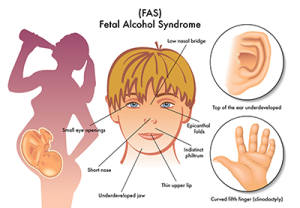
Developmental disabilities can occur in several ways. Some are due to congenital defects. Congenital defects are problems that occur during development of the person when they are in utero (in the mother’s womb) and due to a mutation or error in genetic coding of their genes or chromosomes. Examples of congenital defects include Down syndrome and fragile X syndrome.
Developmental disabilities can also be acquired (obtained after birth). They can occur from an infection that occurs during pregnancy. Pregnant women need to take special care to remain infection free and to avoid people and children who have bacterial and viral infections, such as chicken pox, rubella (German measles), and toxoplasmosis. Toxoplasmosis is a bacteria that is ingested by eating undercooked meat or handling cat feces (such as while cleaning out a litter box).
Developmental disabilities such as cerebral palsy are often caused by brain damage (due to a loss of oxygen) during the development or delivery of the baby, or they may be caused by a birth injury or an infection. Developmental disabilities can also occur due to poor prenatal care (care the mother receives while pregnant). If, for example, a pregnant woman drinks alcohol, smokes, uses drugs, or does not receive proper nutrition, her child could potentially have a developmental disability. Fetal Alcohol Syndrome (FAS) can cause physical and intellectual disabilities and birth defects. Fetal Alcohol Syndrome is one type of developmental disability that can be 100% prevented by not drinking alcohol during pregnancy. If Home Health Aides/Personal Care Aides observe that a pregnant woman with whom they are working drinking alcohol, they should immediately report this to their supervisor.
To learn more about Fetal Alcohol Syndrome, you can visit CDC.gov (www.cdc.gov), which is your online source for credible health information and is the official Web site of the Centers for Disease Control and Prevention (CDC). You can learn more information about Fetal Alcohol Syndrome by visiting this link at the CDC.gov’s website:http://www.cdc.gov/ncbddd/fasd/documents/fas_alcoholuse.pdf
Pregnant women need to take special care during their pregnancies by eating a healthy diet, taking prenatal vitamins their physician prescribes, and refraining from ingesting cigarettes, alcohol, or drugs. Smoking, drinking, and using drugs while pregnant increases the risk for a baby to be premature or have low birth weight. Premature babies (birth that occurs before the baby is fully developed and before 37 weeks of gestation) or low birth weight babies (babies who are less than 5 pounds 8 ounces at birth) are also more likely to have developmental disabilities as they did not have enough time in utero to properly develop.
Lead poisoning can also lead to a child having a developmental disability. This is a type of disability that occurs after the child is born.. Lead can be found in a number of sources, such as construction materials, batteries, and paint. Homes and buildings used to be built using lead materials. Children who live in older homes are the most at risk for lead poisoning as lead may be in the building materials or paint used. Children tend to put many things in their mouths. Lead poisoning can occur if a child ingests (eats) paint and other materials that have lead in them. Lead poisoning can impact a child’s physical development (such as cause muscle and bone problems), cause behavioral problems or cognitive problems (such as difficulty paying attention and learning), cause anemia (low blood count), and weight loss. The good news is that people who live in older buildings can have their paint tested to check for lead. If there is a concern about this, speak to a supervisor.
How is a Developmental Disability Different from Mental Illness?

There are several differences between a person who has a developmental disability and a person who has a mental illness. Developmental disabilities are permanent, while mental illnesses may be temporary, with recovery being possible. A person is diagnosed with having a developmental disability before the age of 22, and often when they are babies. A person can have a mental illness at any point in their lifetime, from childhood to late adulthood.
A person with a developmental disability may have a mental illness. It may be evident at a young age, or it may develop later in life. Regardless of when it develops, it is important to remember that a developmental disability and a mental illness are not the same thing. They each must be treated in special ways. For Home Health Aides/Personal Care Aides, it is important to be aware of the signs and symptoms of mental illness, as discussed in Module 5. If a person has difficulty performing everyday tasks, caring for themselves, communicating with others, and being able to be independent, they may have feelings of frustration, depression, anger, anxiety, and hopelessness. One way to support a person who has a developmental disability and a mental health issue is to help teach them positive coping strategies as we discussed in Module 5.
Developmental Disabilities at Home

In some cases, a person with a developmental disability may reside in a long-term care facility or group home. Workers in those environments help to provide care and support for the person. Other times, a family who has a member with a developmental disability may decide to care for their family member within the home. They may need to have extra help doing so. This is where the very important role of a Home Health Care Aide/Personal Care Aide comes in. They may help to provide assistance with completion of ADLs, provide supervision, teach positive coping skills to the patient and family, and serve as a source of respite (relief for the family) during times of high stress or high life demands. Their role is to help the family and patient in meeting their needs. They will provide emotional support in addition to completing physical care and home care tasks.Two of the most important roles providing care within the home are to help the person be as independent as possible and to always promote self-determination (making choices and plans for oneself).
Caring for a Child with a Developmental Disability
Caring for a Child with a Developmental Disability.
Caring for a child with a developmental disability is the same as caring for any other child in the sense that they have the same basic needs. They need food, water, safety, love, a sense of belonging within their family and community, social interaction, and to develop a sense of independence and self-determination. Unlike other children the same age, they may require additional care. They may not achieve the same developmental milestones, or they may achieve them at a later date than other children their same age. They may need extra help in school, or have additional members on their home health care team to help meet their needs. With extra support and treatment interventions, children with developmental disabilities can lead full and productive lives, filled with joy and happiness, just like any other children.
Caring for an Adult with a Developmental Disability

Caring for an adult with a developmental disability is the same as caring for any other adult in the sense that they have the same basic needs. They need food, water, safety, love, a sense of belonging within their family and community, social interaction, and to develop a sense of independence and self-determination. Unlike other adults at the same age, they may require additional care. They may not be able to do the same things as other adults their age. For example, they may not be able to live independently, or go to work, or have a family of their own. Or, they may be able to do many of these things, but need some additional support. It is very important to remember that just because the adult may have impairments, they are not children. Even if they need to have complete care, they should be treated as an adult. They should be provided with opportunities to socialize with other adults, to make choices, and to be as independent and self-reliant as possible. Always treat adults with developmental disabilities as adults, not children.
Another aspect of working with adults with a developmental disability is to be aware that many also have sexual desires and needs, just like any other adult. Just because a person has a disability does not mean that they are incapable of sexual or emotional intimacy. People who have physical disabilities may need to make adjustments during sexual intimacy, but this does not mean that they are not capable of having sexual relationships and they do not desire them or have sexual feelings. Never make judgments or assume you know the sexual needs or behaviors of a person with a disability. Always be respectful of times needed for privacy.
Expectations and Attitudes
As we have discussed throughout this course, all people have different views of family, come from different cultures, and have different beliefs and values. Everyone has their own unique identities, and we all have many parts to what makes us who we are. Regardless of whether the person has a developmental disability or not, it is important to remember that all of these differences should be respected and valued.
Address the Person, Not the Disability
One other important aspect of providing home care to a person with a developmental disability to know about and to respect is in regard to the terms that people use to describe their disability. Most of us do not like to be identified by a physical feature or a problem that we have. Some people may not like the term “disabled” and prefer to use the term “ability challenged”, or another term. Home Health Aides/Personal Care Aides should always use the term(s) that the family and patient prefer.
Take cues about terms families prefer by the language they use. Be sensitive when referring to a person with a disability. Be careful not to say things like, “They are disabled” or “They are deaf”. Never identify a person with a disability by their disability. For example, Home Health Aides/Personal Care Aides should not say, “He/she is a blind person” or “He/she is an autistic” or “The ADHD patient” or “The Down’s patient.” These terms are offensive and label the person as a disability rather than a person with a disability. Instead, they should say things like, “He/she has ADHD/Down syndrome/Tourette’s syndrome, etc.” or “He/she has a visual/hearing/physical etc. impairment.”
Focus on Independence, Productivity, and Integration
In working with all people, it is important to promote independence. This is no different when working with people with developmental disabilities. While they may have some limitations, such as not being physically able to walk or feed themselves, this does not mean that a person with a developmental disability is unable to be independent in all ways. Home Health Aides/Personal Care Aides should allow their patient with a disability to do all they can for themselves. They should not take over doing something just because they may be able to do it better or more quickly.
Be patient and kind. Allow time for tasks to be completed and don’t rush the patient. When people feel they are working with someone who is patient and who gives them time to complete a task, they are more willing to try to do it themselves. This will give them a sense of independence and productivity. Never push a patient to do something they may not be able. This will only lead to a sense of failure and guilt.
Another important aspect in working with people with disabilities is to promote integration. Integration means including and involving a person with a disability with other people who do not have a disability. Whenever possible, people who have disabilities should be included in family and community activities. Work with a supervisor and the family to plan activities to involve the patient.
Promote Self-Determination and Community Participation

Promote self-determination and community participation Promoting self-determination, or the ability to make one’s own choices, decisions, and plans is important for all people. Promote self-determination with patients by giving them choices. Allow them to decide foods or clothing they prefer or the order of tasks to complete. A HHA/PCA can ask, “What would you like to do first? Take a bath or brush your teeth?”
Encourage the patient to select activities they would like to do for fun and work to involve your patient with their family and community as much as possible. There are many resources within communities for families to participate in. These may include school or church events, community events such as field days or musical events, or visiting local attractions such as zoos and museums. All people have a need to be a part of something and to be involved with others around them.