
Diversity
Diversity
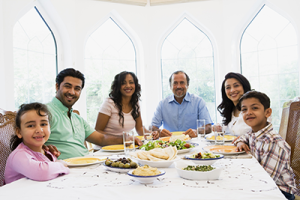
Culture is a set of behaviors, beliefs, values, attitudes, and goals shared by a group of people. Our culture is a powerful part of what makes us who we are and how we live. Groups of people such as families, friends, religious groups, and organizations all share a culture. Rules in a culture can be expressed by spoken and unspoken ways, such as whether direct eye contact or shaking of hands is considered to be appropriate. Many characteristics make up cultures and most people belong to numerous cultures. Race, spiritual/religious beliefs, national origin (the country the person comes from), sexual orientation, and age make up various cultures. People often identify themselves or define who they are based on their cultures. It is important to remember that we belong to a number of cultures. It is also important to remember that one culture is not better than another. Health care workers need to try to understand what cultures a patient belongs to and what customs within those cultures the person believes or practices. This helps them to better understand where their patient is coming from and to better take care of them.
Race versus Culture
Race is not the same as culture. Race is a classification of people based on physical attributes, geographic ancestry (where a person came from originally), and inherited characteristics. In the United States, for example, some races are: White American, African American, Native American and Alaska Native, Asian American, and Native Hawaiian or Pacific Islander. Some people may identify as being multi-racial, meaning they have more than one race. We often identify ourselves as being a part of a particular race, but this is not the only aspect of who we are. It is important to be careful to not judge people by their race, or what you think their race is. This is called racism. Racism is a belief that one racial group is better than another racial group, or that one member of a race is the same as all other members of that race. Racism is based on a person’s religion, nationality, or country of origin. Racism results in prejudice against a particular race.
Ethnocentrism, Diversity, & Stereotype
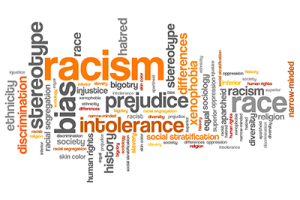
In working with others, we must be careful of ethnocentrism. Ethnocentrism is thinking that your culture and beliefs are superior to, or better than another person’s. All of our cultures are equally important. No one culture is better than another. The various cultures bring diversity to our world. Diversity means including and respecting different types of cultures. We must also be careful of stereotypes. Stereotypes are when you believe that all people within a group are the same based on what you know about one individual within a group. Stereotypes can be about any characteristic of a person such as their looks, sexual orientation, weight, or behavior. We often learn stereotypes from the media and from our families as we are growing up. For example, until recently it was believed that all women should stay at home to cook, clean, and care for their children. As a result, people may have stereotypes about women, such as, “All women are good cooks”, or “Women should be secretaries and men bosses.” Stereotypes are very harmful to people. They can make us feel misunderstood and not respected. It is important to become aware of the stereotypes you have about others so that you do make a patient feel that they are not respected or valued.
Self-Awareness
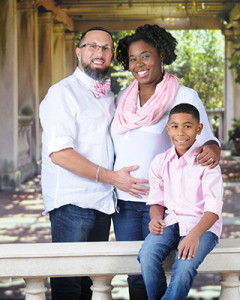
Take a moment to think about what makes up your culture. What groups do you consider to be important to you? What roles do you play in your life? Are you a mother, father, daughter, or grandson? Do you have religious or spiritual beliefs that you practice? Do you have traditions and rituals in your family that are important to you? How do you identify yourself? Your culture is a part of who you are. It has helped to shape your beliefs, values, and attitudes. You bring it everywhere with you. You bring your culture to work with you. It influences how you understand and care for your patients. It is important to engage in self-reflection in order to better understand how you see yourself. The more you understand your own beliefs, the better able you will be to understand and appreciate the beliefs of others. This will help you to better care for your patients if you choose to pursue a career as a Home Health Aide/Personal Care Aide.