
The Major Nutrients
All living things require nutrients in order to survive and to grow and develop normally. Nutrients are components (parts) of food that provide nourishment in order for us to survive. The Care Plan will direct a HHA/PCA as to what the patient’s dietary requirements and restrictions are. Home Health Aides/Personal Care Aides should always be sure to follow these as they are in place to best promote good health for the patient. If they are ever in doubt about whether a patient can have a certain food, they should seek guidance from their supervisor.
Protein
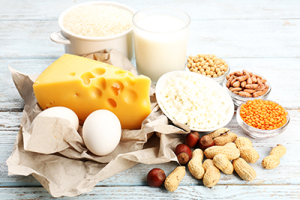
Proteins are the essential (necessary) building blocks that our body needs in order to properly function. We need protein in order to build and repair body tissues, such as muscles, organs, and skin. Sources of protein include poultry, meat, fish, eggs, milk, cheese, nuts and nut butters, peas, dried beans, and soy products. Our bodies can also use protein as an energy source or convert it to fat. The amount of protein that a person needs depends on their body size, age, activity level, and their general well-being. People who are sick, undernourished, and healing generally require higher amounts of protein in order to help the body’s tissues heal.
Sources of Protein:
- Poultry (chicken, turkey)
- Beef (steak, ground beef, stew meat, hamburgers, hot dogs)
- Fish (tuna, salmon, trout, bass, cod)
- Shellfish (shrimp, lobster, crab)
- Milk
- Eggs
- Soy products (tofu, tempeh, veggie burgers)
- Legumes (beans such as white beans, kidney beans, chickpeas)
- Peas
- Nuts (almonds, pistachios, walnuts, cashews, peanuts)
- Seeds (pumpkin, sunflower, squash seeds)
- Peanut butter and other nut butters
Carbohydrates
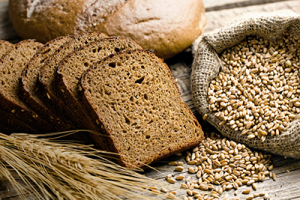
Carbohydrates are the essential nutrients our body needs in order to provide us with energy. Carbohydrates are the major way our body gets energy in order to effectively function. Carbohydrates provide our body with sugar, starch, and fiber.
Starches include grains, potatoes, beans, and peas. Sugars include fruits, vegetables, and sweeteners. Foods that have fiber in them include whole grain foods such as cereals and breads, fruits, and, vegetables. Fiber is important as it helps aid in digestion, helps to lower cholesterol, and helps us to feel fuller longer.
There are two basic types of carbohydrates: complex and simple. Complex carbohydrates are found in grain products such as bread, cereal, pasta, rice, and vegetables. Simple carbohydrates are foods found in sugars, sweets, syrups, and jellies. Complex carbohydrates have more nutritional value than simple carbohydrates. The body uses sugars and starches for energy. Extra carbohydrates, or carbohydrates that we take in but do not need at the time, are converted to fat, which is then stored. A diet in excess of carbohydrates can lead to obesity (being over the ideal weight for a person’s body size).
Sources of Carbohydrates:
- Grains
- Breads of all kinds
- Potatoes
- Beans
- Peas
- Oatmeal
- Rice (white, wild, brown)
- Breakfast cereals
- Tortillas
- Grits
- Pasta, noodles
- Popcorn
- Quinoa
- Crackers (all kinds)
- Couscous
- Muesli
Fats
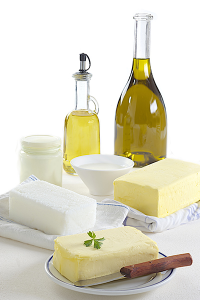
Fats are essential nutrients in our diets. Even though we tend to think of fats as bad for us, we do need a certain amount of fat in our diets. Fat helps to protect our organs, is necessary for all the membranes in most the cells in our body, for brain and nerve function, is used to insulate the body and help us prevent heat loss, and is a carrier for other nutrients. Extra fat can also be used as energy for the body, or it can be stored.
While we need a certain amount of fat in our diet, caution must be taken to not eat too much fat. A diet high in fat can lead to serious complications such as high cholesterol, myocardial infarction (heart attack), coronary artery disease, and cerebrovascular accidents (strokes). Sources of fat include oils, butter, margarine, salad dressings, and animal fats found in meat, fish, and milk.
Some fats are healthier options than others. For example, choosing to eat a handful of nuts is a healthier option than choosing to eat a handful of potato chips. There are three main types of fats: monounsaturated fats, polyunsaturated fats and saturated fats. Monounsaturated fats include vegetable fats such as olive oil and canola oil. Polyunsaturated fats include corn, soy, safflower, and sunflower oils, and omega-3-fatty acids. Saturated fats include butter, bacon, lard, coconut oil, and peanut oil. Saturated fats are less healthy options than monounsaturated and polyunsaturated fats. They should be consumed in limited quantities.
Sources of Fat:
- Oils (all kinds)
- Butter
- Milk
- Eggs
- Fish
- Meat
- Nuts and seeds
- Avocados
- Margarine
- Salad dressings
- Olives
- Peanut butter
- Animal fats found in meat
Vitamins
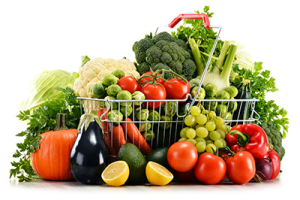
Vitamins are essential to help our body use other nutrients we take in, and they also help to promote tissue growth. There are several kinds of vitamins, all of which have a specific purpose and which we need every day. With the exception of Vitamin D and Vitamin K, our body needs to obtain vitamins through our diets. We make a certain amount of Vitamins D and K within our bodies. While most people who eat a well-balanced diet do not need to take vitamin supplements, other people may need a daily supplement in order to meet their nutritional needs. The patient’s physician will discuss the specific vitamin supplements the patient needs, if any. If the patient has a question about a vitamin, Home Health Aides/Personal Care Aides should inform their supervisor about the patient’s question.
Vitamin A is necessary to help keep the skin in good condition and also supports eye health. Vitamin A can be found in dark green, yellow, and orange vegetables.
Vitamin B is needed to help the nervous and digestive systems function properly. It also is important for protein, carbohydrate, and fat metabolism. Metabolism is the process by which the body converts (changes) what we eat and drink into usable energy. Foods high in vitamin B are those found in animal products such as meat, milk and milk products, green leafy vegetables, and fortified grain products. When foods are fortified, they have nutrients added to them in order to make them more nutritious. For example, many grain or bread products are fortified, or enriched with extra minerals and vitamins for extra nutrition.
Vitamin C helps to strengthen blood vessel walls and aids in the healing of wounds and bones. It also helps the body to absorb iron. Foods rich in vitamin C include fruits such as oranges, strawberries, grapefruit, and vegetables like broccoli, brussel sprouts, and green cabbage.
Vitamin D is needed for our body to build strong bones and teeth. Sources of vitamin D include milk, butter, salmon, sardines, tuna, and fortified orange juice.
Vitamin E is an antioxidant, which is a substance used to remove potentially damaging agents called free radicals. This helps to promote a good immune system. Sources of vitamin E are wheat germ, fish, fruits, vegetables, cereals, and nuts.
Minerals
Our bodies also require a number of minerals in order to best function. Minerals are compounds that our body needs in order to perform a variety of functions. There are a number of essential minerals that our bodies need. For example, we need calcium, which is a mineral, in order to help keep our bones and teeth strong. There are a number of minerals that we need to take in through eating a well-balanced diet. Calcium, potassium, chloride, sodium, phosphorus, and magnesium are known as major minerals. Iron, fluoride, zinc, copper, selenium, chromium, and iodine are known as minor minerals. Whether a mineral is major or minor has to do with the amount we need in our diets. We need a greater amount of calcium within our diet as compared to zinc, for example.
Calcium is a mineral that is needed for bone and teeth strength, blood clotting, proper muscle contraction, and a healthy heart. Milk and milk products such as cheese, ice cream, yogurt, leafy green vegetables, and canned fish, such as sardines, which have soft bones are good sources of calcium.
Potassium helps the heart to function properly, helps muscles to contract, and is necessary for good nerve conduction. Foods high in potassium include tomatoes, potatoes, squash, dried apricots, yogurt, and bananas.
Iron combines with protein to make hemoglobin, which is a part of our red blood cells that carries oxygen. Good sources of iron include red meat, chicken, pork, dark green leafy vegetables such as spinach, iron fortified cereals and grain products, and dried fruits such as raisins.
Iodine is needed for proper functioning of the thyroid gland. The thyroid is important for our body’s metabolism. Sources of iodine in the diet can include cod, shrimp, canned tuna, iodized table salt, and even milk and yogurt.
Sodium helps our body to maintain normal fluid balance. Foods high in sodium include most processed food, many canned food such as meats and soups, olives, pickles, packaged mixes, and canned foods such as vegetables. While we need sodium in our diet, we should limit the amount of sodium we take in.
Water
Water is essential to all life, including human life. Without it, we cannot survive. We could only live for a few days without water. We need water for digestion, elimination, and control of our body temperature. The majority of our body is made up of water. We need about 8 glasses, or 64 ounces, of water each day to stay adequately hydrated. Liquids such as coffee, tea, juices, milk, and soda also provide us with fluid we need. However, it is healthier to select drinks such as water, milk, or juice rather than soda. It is important to remember to keep a patient hydrated. Some patients may not be able to or may forget to ask for a drink of water. It is a good idea for Home Health Aides/Personal Care Aides to offer a drink of water at least once every two hours. When turning and positioning a bedridden patient, offer them a glass of water at that time.
Nutrients Work Together
It is important to have a well-balanced diet. While each of the individual nutrients discussed above are important, it is important that a person take in a balance of all of them. Together they work to keep the body working at its optimum (best) level.
Well-balanced Diet

A well-balanced diet means a diet in which all the nutrients our body needs for proper functioning and energy are taken in. A well-balanced diet contains a variety of foods from all the food groups, as well as all the necessary vitamins and minerals we need. It also means taking in an adequate supply of water for adequate health. A well-balanced diet can be planned by selecting healthy foods from each of the food groups.
The United States Department of Agriculture (USDA) developed healthy eating guidelines for Americans to follow to help them make healthy food choices. According to the USDA, The ChooseMyPlate icon (symbol) serves as a reminder for people to help them build a healthy plate at meal times. The emphasis is on the five food groups that are necessary for good health: vegetables, fruits, grains, proteins, and low-fat dairy foods. ChooseMyPlate.gov is a scientifically based and up-to-date resource which can provide Home Health Aides/Personal Care Aides with useful information for planning meals and educating their patients about healthy food choices and physical activity. All recommended daily servings and food group sources discussed in this module are according to the guidelines set forth by the USDA and can be downloaded from www.choosemyplate.gov.
Milk Group
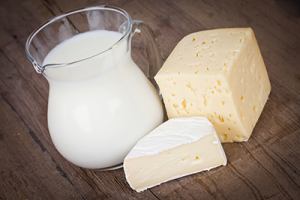
When selecting foods included in the milk group, low fat and fat-free choices should be made to promote good health. In general, 1 cup of milk, soy milk, yogurt, and 1 ½ ounces of cheese are considered a serving size.
Milk Sources:
- Milk (low fat, fat free, whole)
- Lactose-free and lactose-reduced milk
- Yogurt
- Pudding
- Ice cream
- Frozen yogurt
- Calcium fortified soy milk
- Hard cheeses (cheddar, mozzarella, swiss, parmesan)
- Soft cheeses (ricotta, cottage cheese)
- Calcium fortified juices and cereals
Recommended Daily Servings:
Children:
2-3 yrs.: 2 cups
4-8 yrs.: 2 ½ cups
9-18 yrs.: 3 cups
Women and Men 19 yrs. and older:
3 cups
Protein Foods Group
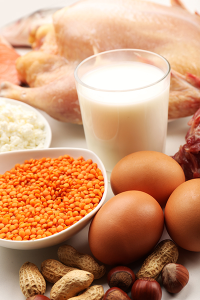
ChooseMyPlate.gov suggests selecting a variety of foods high in protein with 8 ounces of seafood per week. In general 1 ounce (oz.) of meat, ¼ cup of beans, 1 tablespoon of peanut butter, or ½ ounce of nuts or seeds are considered a serving of protein.
Protein Sources:
- Beef
- Pork (ham, pork chops)
- Lamb
- Veal
- Poultry (chicken, turkey)
- Beans (black, kidney, chickpeas, lentils, navy, pinto, white, soy beans, split peas)
- Eggs
- Canned fish (sardines, salmon, tuna, anchovies, clams)
- Fish (cod, tuna, sea bass, catfish, flounder, halibut, swordfish, trout, mackerel)
- Shellfish (shrimp, lobster, crab, mussels, oysters, scallops)
- Nuts (almonds, walnuts, hazelnuts, pistachios, peanuts, pecans)
- Seeds (sesame, pumpkin, squash, sunflower)
Recommended Daily Servings:
Children:
2-3 yrs.: 2 oz.
4-8 yrs.: 4 oz.
Girls: 9-18 yrs.: 5 oz.
Boys:
9-13 yrs.: 5 oz.
14-18 yrs. 6 ½ oz
Women:
19-30 yrs.: 5 ½ oz.
31 + yrs.: 5 oz.
Men:
19-30 yrs.: 6 ½ oz.
31-50 yrs.: 6 oz.
51+ yrs.: 5 ½ oz.