
Food Appearance, Texture, and Portion Size
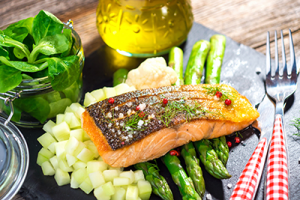
Select nutritious foods that are contrasting colors and textures. This adds to visual and chewing appeal. Try to vary the colors of the foods being served. Avoid serving foods that are all one color. Even for people who must have a mechanical diet, which is a diet that is altered in texture, such as food that is pureed or finely chopped, different colored foods can be selected. For example, select a green, soft vegetable (spinach), a red, crunchy fruit (an apple), and colorful, chewy wild rice to go along with a piece of chicken and a glass of milk. This lends visual and chewing appeal as the patient can see different colors and feel different textures as they chew.
Home Health Aides/Personal Care Aides should be observant about changes in their patient’s appetite, and report any significant decreases of appetite to their supervisor. A poor appetite should be investigated.
Some possible explanations of a poor appetite are:
- Illness or depression. When we do not feel well or are depressed, our appetite is diminished.
- Dissatisfaction with the food. If a patient does not like the food, they will be less likely to eat. Find out their preferences and plan meals accordingly.
- Improper mouth care. A poorly cared for mouth can lead to chewing problems.
- Loose or broken teeth or problems with the gums or tongue. This makes chewing difficult.
- Chewing difficulties. It is difficult to eat if chewing is painful.
- Improperly fitting dentures. Poorly fitting dentures makes eating difficult and painful.
- Patient fear of choking. Patients who are afraid to choke may hesitate to eat.
- Patient has confusion. Patients who are confused may forget what they are doing. They may need to be encouraged to eat.
- Side effects of medications. Some medications decrease a person’s appetite.
How to Save on Food Costs
Food can be expensive. Families on a tight budget may have trouble purchasing food. If Home Health Aides/Personal Care Aides ever observe that a patient does not appear to have enough food in the house, they should discuss this concern with their supervisor.
Here are some tips for Home Health Aides/Personal Care Aides to keep in mind to help cut food costs:
- Use coupons
- Look through weekly store circulars for items on sale
- Avoid convenience foods such as those that are pre-made, pre-packaged, or that come from sections of the grocery store such as the deli, bakery, or salad bar. These items tend to be much more expensive than if you purchased the ingredients and prepared it yourself.
- Check food labels for nutritional value.
- Purchase items such as produce when it is in season. It will be less expensive and fresher.
- Purchase items in bulk, but be aware of storage space. If it can’t be stored or used up before it expires, you will not be saving money.
- Plan meals for a week at a time. Make a grocery list and stick to it.
- Use meat and protein substitutes that tend to be less expensive. Canned tuna, dried beans, yogurt, and eggs are excellent sources of protein.
- When buying meat, check the expiration date to ensure you are buying the freshest meat possible. Spoiled meat is wasted money.
- When possible, buy meat in bulk as costs tend to be lower. Cutting up a whole chicken or cutting a pork roast into chops tends to be less expensive than buying individual pieces of chicken or pork.
- Always stick within the allowed food budget. Never buy more than you are told or that the patient can afford.
Food Storage
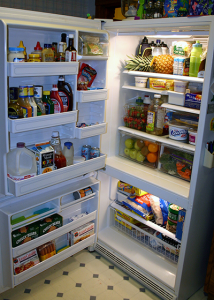
It is important to properly store food. Food that is improperly stored can lead to illness and is also a waste of money as it will have to be thrown out.
Here are some things for Home Health Aides/Personal Care Aides to keep in mind:
- Buy cold foods and get them home quickly to avoid spoilage.
- Keep eggs in their original packaging on a shelf, not the door in the refrigerator. Since the door is opened often, it risks the eggs becoming spoiled or cracked.
- Immediately refrigerate all meats, fish, poultry, eggs, milk, and milk products.
- Store dry food in covered containers. For example, dried beans, lentils, pasta, and rice should be stored in clean, closed containers such as plastic storage containers.
- Ensure pests cannot get to packaged food.
- Rotate stock. Use older items first. Make it a point to rotate cans and boxes before putting away newly purchased items.
- NEVER store food with cleaning supplies.
- NEVER store food beneath plumbing, such as beneath a sink.
- Eggs, milk, milk products (cheese, yogurt), salad dressings, and mayonnaise should be refrigerated.
- Always read the label to see if the product should be refrigerated once it is open. Items such as ketchup can be kept stored in a cupboard BEFORE it is opened. Once it has been opened, it must be stored in the refrigerator.
- Refrigerate fresh fruit only after it is ripe.
- Refrigerated food should always be covered or placed into a closed container and dated.
- Label items to be stored in the freezer with the name of the item and date if you repackaged it. Once food is frozen, it can be difficult to tell what it is.
- Use frozen foods within six months.
- NEVER thaw frozen food on a counter at room temperature. This allows bacteria a chance to multiply. Thaw food in a refrigerator overnight.
- Ensure refrigerators and freezers are in good working order. Keep a thermometer in each to ensure the temperature is correct. Refrigerators should be kept at or below 40 degrees F. Freezers should be kept at 0 degrees F.
- Cooked foods and leftovers should be used within 4 days.
- Raw meat, poultry, and fish should be used within 1-2 days.
- Keep refrigerator shelves clean and wipe up spills using hot soapy water immediately.
- Clean the refrigerator once per week and discard perishable items. Ensure there is enough space between items in the refrigerator so that air can circulate and keep foods properly chilled. Avoid overcrowding the refrigerator or freezer.
Safe Food Handling
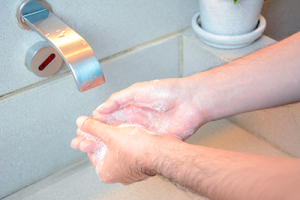
When handling food, it is important to keep safety at the forefront of food preparation.
Home Health Aides/Personal Care Aides should follow these guidelines for safe food handling:
- ALWAYS wash your hands before and after food preparation. Follow proper hand washing guidelines. Always wear gloves when handling food.
- ALWAYS wash your hands after handling raw meat, poultry, fish, or eggs.
- Use one cutting board for raw meats, poultry, and fish. Use another one for vegetables, fruits, and foods that are ready to eat, such as bread.
- Wash cutting boards in hot soapy water or run them through the dishwasher. Non Porous acrylic, plastic, glass, or wood cutting boards can be safely washed in the dishwasher. Discard cutting boards that are worn or that have a lot of grooves where bacteria can hide and contaminate food.
- Immediately wipe up spills from raw meat, poultry, and fish using an antibacterial cleanser or a diluted bleach solution.
- Clean the workspace before and after food preparation using hot soapy water. Clean the workspace and wash your hands after handling raw meats, poultry, or fish before moving on to the next step in food preparation.
- Cutting boards and work surfaces can be sanitized using an antibacterial cleanser or a homemade solution of 1 tablespoon liquid chlorine bleach to 1 gallon of water. Spray solution onto surface, allow a few minutes to work, rinse, and then let air dry or pat dry with a paper towel.
- Keep raw meat, poultry, and fish separate from other items in your food cart to avoid juices contaminating other food. Place these items in plastic bags separate from other food.
- When storing raw meat, poultry, and fish in the refrigerator, place them in containers or on a dish to prevent juices from dripping on other foods. Store these items on the lowest shelf in the refrigerator.
- Your clothes and apron should be always be clean.
- Avoid coughing or sneezing during food preparation. If you cough or sneeze, step away from the food preparation area and wash your hands immediately afterwards.
- Use clean dishes, bowls, pots, and dish towels.
- Use hot, soapy water to wash dishes.
- Never taste food and stir food with the same spoon. If you need to taste food, or the patient would like to taste the food during food preparation, use a clean spoon to remove some from the pot or pan, and then discard that spoon into the sink to be washed.
- Hot foods can be placed in the refrigerator immediately. Do not let them sit on the stove or counter for several hours. This encourages bacteria to multiply.
- NEVER use a damaged can or a can that is bulging or dented. It could be spoiled and you risk food poisoning.
- Do not eat raw eggs or use eggs that have cracks in them. Never undercook eggs. You risk salmonella if you do so. Store eggs in their original container in the refrigerator.
- Use a food thermometer to ensure that meat is cooked to the proper doneness.
- When using a microwave, rotate the dish while cooking to avoid cold spots where bacteria may live and multiply.
- When reheating food, bring it up to proper temperature. Sauces, gravies, and soups should be brought to a rolling boil before eating.
- NEVER use foods that are moldy or have a bad smell to them.
- Keep hot foods hot (above 140 degrees F).
- Keep cold foods cold (at or below 40 degrees F).
- Do not refreeze food that has already been frozen.
- Always use food within the recommended time and by the expiration date. When in doubt, do not use it and ask a supervisor for guidance.
Safe Microwave Defrosting and Cooking
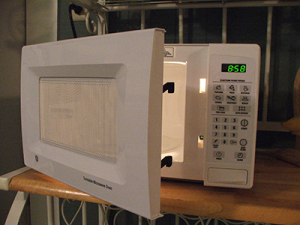
- When heating or cooking foods in a microwave, always use microwave safe dishes. Never use plastic or foam trays. These items can warp, causing harmful chemicals to spill into the food.
- Cover food with microwave safe covers. Loosen the lid slightly to allow steam to escape to prevent burns. This allows moisture to stay inside which provides for even heating. Unevenly heated or cooked foods can have areas where bacteria live.
- When defrosting, remove packaging food came in. Do not use plastic or foam trays.
- Cook food immediately after defrosting. Do not defrost and save the food to cook later.
- Cook large cuts of meat at 50% power for a longer time rather than at 100% power. This allows enough time for heat to reach the center without overcooking outer areas.
- Stir and rotate food halfway during cooking or reheating to avoid cold spots where bacteria can live.
- Always allow foods cooked in a microwave to stand for a couple of minutes to avoid being burned by steam.
- Always ensure reheated foods have reached a temperature of 165 degrees F. Use a thermometer to check for doneness.
Safe Cooking Temperatures
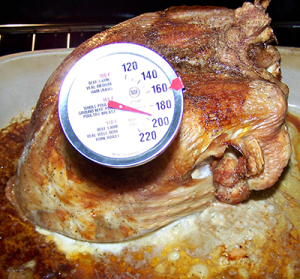
The USDA has guidelines about safe food cooking temperatures. To avoid food-borne illnesses, these should be followed. Home Health Aides/Personal Care Aides should always check food for doneness with a thermometer. Just because food appears to be cooked from the way it looks on the outside does not mean it is cooked in the center. Insert a thermometer into the thickest part of the meat or the center of the food. Do not allow the thermometer to touch bone, fat, or gristle.
- Beef, pork, lamb, and veal steaks, chops, or roasts: 145 degrees F
- Ground beef, pork, lamb, veal: 160 degrees F
- Poultry: 165 degrees FEgg dishes: 160 degrees F
- Reheating leftovers: 165 degrees F
Food Money Procedures
If Home Health Aides/Personal Care Aides will be purchasing food for their patient and their family, they must always follow their agency’s procedures about handling money. They should save all receipts and turn them in to the appropriate place, and account for all money that was spent as soon as possible after shopping. Use checks instead of cash whenever possible. Always keep to the food budget and the grocery list. They should never purchase items for themselves or borrow money from their patient to buy something for themselves while shopping for the patient. They also cannot do their own shopping while doing a patient’s grocery shopping. Not only is this stealing company time, but they risk mixing up items, receipts, and money. This could lead to trouble.
Being Specific When it Comes to the Diet
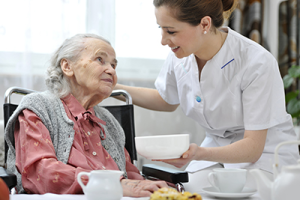
Some patients may require a modified diet due to health conditions, diseases, or problems with chewing, swallowing, or choking. Sometimes, certain medications may even interact with certain foods, and a patient may need to have more or less of a certain food while on that medication. Modified diets are changes made in a particular nutrient or the texture of the food.
Diets may be ordered by a physician. A Registered Dietician will often be involved in planning the patient’s diet in these cases. The patient may need to have more or less of a certain nutrient. For example, they may have an order to eat foods low in potassium if they have kidney disease or low in sodium if they have heart failure. Or, they may have an order that says they should eat a diet high in protein. Home Health Aides/Personal Care Aides should always follow the diet as specified in the Care Plan. It is in place for the health and safety of their patient. When in doubt, they should seek guidance from a supervisor.
The Meaning of “High” and “Low” Diet Orders
High:
A diet that has the word high in it means that there should be an increase in a particular nutrient. Diets requiring “high” amounts should have extra of the nutrient added. Examples of diets with “high” amounts include high calorie, high protein, high residue (fiber), or high potassium.
Low:
A diet that has the word low in it means that there should be a decrease in a particular nutrient. There may also be a need to cut the nutrient out altogether. For example, patients who are on gluten-free diets should not have any gluten in their diet. Other examples of diets that may have “low” amounts include low sodium, low cholesterol, low fat, low calorie, low protein, low potassium, low residue (fiber), or low sugar diets.
Decreasing the Intake of Certain Foods
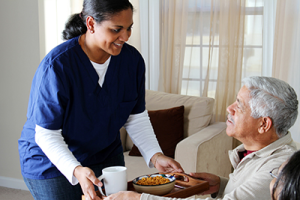
Low Calorie and Low Fat
Low calorie foods are foods that are low in calories. Foods may be labeled as reduced calorie, low calorie, or light. Generally, these foods have fewer calories than another products of the same type. Low fat foods are foods that are low in fat. Foods may be labeled as nonfat, reduced fat, fat free, or light. Keep in mind that baked goods that are labeled low fat tend to have extra things like sugar in them to make them taste better without the fat. Always read the label. Patients should not reduce caloric intake without speaking to their doctor. It can be very difficult to follow a low calorie and low fat diet, especially long-term.
Low Sodium/Salt
Low sodium foods are foods that are low in sodium or salt. They may be labeled as low sodium, low salt, sodium free, or very low sodium. Read food labels to check for the amount of sodium listed. For patients who are on low sodium diets, this is a special concern. Foods that contain a lot of sodium tend to be prepared foods, frozen dinners, canned soups and meats, and prepared boxed foods such as macaroni and cheese and pastas that are ready to eat with sauce. For patients who require a low sodium diet, Home Health Aides/Personal Care Aides should not add salt while preparing foods. Offer herbs, spices, and lemon or lime zest to improve the flavor of foods for these patients. It can take some getting used to not eating a high amount of sodium in the diet.
Sugar free/No Sugar Added
Sugar free or no sugar added foods are those that do not have sugar in them or that do not add sugar to the ingredients. Patients who are diabetic may be on a sugar free diet and need to watch the amount of sugar they consume. Sugar free products tend to have artificial sweeteners such as saccharin or aspartame. Always read the nutrition label to check for the amount of sugar in a food. Sugar is added and hidden in many food products.
Increasing the Intake of Certain Foods
High Protein/High Calorie
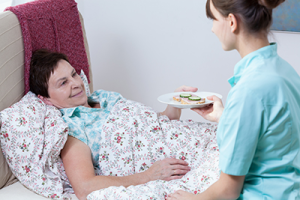
For patients who require a high protein or high calorie diet, an extra amount of protein and/or calories would be added to their diet. Patients on these types of diets may need extra calories or protein to help promote healing or weight gain if they are malnourished. It is best to provide snacks throughout the day or smaller meals in order to increase the amount of calories or protein in the diet, rather than to serve larger meals with a larger amount of food.
Here are some suggestions Home Health Aides/Personal Care Aides can follow to increase calorie or protein intake for their patients:
- Add cheese slices to sandwiches, eggs, and fruit desserts.
- Grate cheese and add to soups, sauces, casseroles, mashed potatoes, rice, pasta, or cooked meats like meatloaf.
- Use milk instead of water while preparing foods such as hot cocoa, pudding, or hot cereal.
- Add cream sauces made with milk to vegetables and pasta.
- Add a tablespoon of non-fat, dry powdered milk to regular milk, mashed potatoes, and cream soups.
- Use nutritional drinks or shakes, such as drinks that have added nutrients or calories to supplement intake as directed by the Care Plan.
- Make milkshakes with ice cream.
- Use yogurt with fruit and milk to make fruit smoothies.
- Add chopped or sliced eggs to salads, sandwiches, vegetables, and casseroles.
- Add extra egg yolks to scrambled eggs, omelets, pancakes, and French toast.
- Serve hard boiled or deviled eggs as snacks.
- Add nuts, seeds, and wheat germ to salads, cereal, or yogurt.
- Use peanut butter to serve with fruits, vegetables, crackers, as a topping for ice cream, and on sandwiches.
- Add beans to meat and casserole dishes.
- Add meat to salads, on top of potato dishes, with pasta dishes, and to egg dishes.
- Serve yogurt topped with wheat germ, or with fruit for snacks.