
Who is Part of the Home Health Care Team?
Home health care may be provided by licensed medical personnel such as physicians, registered nurses, licensed practical nurses, physical therapists, occupational therapists, speech language pathologists, registered dieticians, medical social workers, respiratory therapists, wound care specialists, and unlicensed, but certified workers such as home health aides, nursing assistants, and personal care aides. Unlicensed personnel such as home health aides and personal care aides are vital members of the home health care team. Every member of the home health care team has a role to play. When all members work together, they can achieve the goal of caring for the patient.
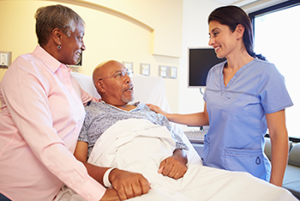
Home Health Care Team Roles – Part 1
Physician (MD or DO):
While physicians may not often provide direct health care within the home setting, they oversee patient care, diagnose and monitor conditions, and prescribe medications and treatments. Doctors have graduated from a bachelor’s degree program and medical school. They have passed a licensing exam within their state. Many doctors also have specialty certifications.
Registered Nurse (RN):
Registered nurses in a home health agency coordinate and manage the patient’s care. RNs perform assessments, monitor test and laboratory results, administer treatments and medications, monitor the patient’s condition, and provide education to the patient and family. Registered nurses supervise LPNs, Home Health Aides, and Personal Care Aides in providing care. Registered nurses have degrees from two- or four-year nursing programs and have passed a licensing examination in order to practice within their state. RNs may have advanced academic degrees and education/certification in specialty areas.
Licensed Practical Nurse (LPN):
Working under the supervision of an RN, a LPN may administer medications, check vital signs, provide wound care, collect samples for testing such as urine and blood, and assist with patient self-care activities. LPNs must complete a certificate program and apply for a license within their state after passing an examination.
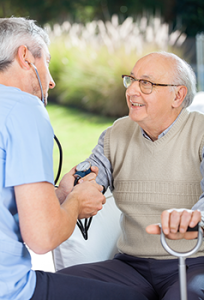
Home Health Care Team Roles – Part 2
Physical Therapist (PT):
Physical therapists help patients to strengthen and restore their ability to be mobile and to prevent further injury. PTs may teach patients to use special equipment such as walkers and canes, assist patients with specific exercises to help regain mobility and strength, and administer treatments such as massage, heat or cold to help improve patient circulation, reduce pain, prevent disability, and improve muscle and joint function. PTs must graduate from a doctoral degree program and pass national and state licensure exams to practice.
Occupational Therapist (OT):
Occupational therapists work with patients to help them learn to adapt to a disability so they may function as independently as possible. OTs help patients perform activities of daily living such as dressing, eating, and bathing. OTs teach patients how to use assistive and adaptive devices such as special forks, plates, long-handled shoe horns and sponges, and raised toilet seats. OTs must have at least a master’s degree and have passed a national certification exam. Most OTs must be licensed within their state.
Speech-Language Pathologist (SLP):
Speech-Language Pathologists or speech therapists work with patients who have communication or swallowing disorders, who have experienced strokes or accidents or have a neurological health problem. The SLPs teach patients exercises to improve speech, to effectively communicate, and to safely swallow. They may suggest special diets to aid in swallowing, such as mechanical diets and thickened liquids. SLPs must have a master’s degree and be licensed or certified in the state in which they work.
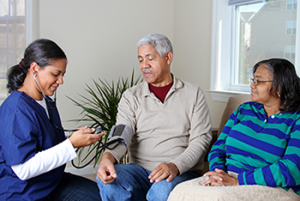
Home Health Care Team Roles – Part 3
Registered Dietician (RD):
A registered dietician evaluates a patient’s nutritional intake and orders special diets for the patient to follow. They provide education to patients and families about special diets to manage their illness and to improve their nutrition. RDs must have completed a bachelor’s degree and often have a master’s degree. Most states require certification or license to practice.
Medical Social Worker (MSW):
A medical social worker works with the patient and family to help them get support services such as counseling, financial assistance, and community services. An MSW provides emotional support to the family and works as an advocate to help meet the patient’s needs. MSWs must complete a master’s degree program and pass a licensing exam.
Home health aide (HHA):
Under the supervision of a nurse, a HHA provides supportive care to patients within their homes. They work to increase or maintain independence, health, and well-being of the patient. HHAs provide or assist with self-care activities such as bathing, dressing, grooming, toileting, feeding, skin care, use of medical supplies and equipment such as walkers and wheelchairs, and assisting with light housework, laundry, and home safety. Depending on the state in which they live, home health aides (HHAs) must be certified and complete training programs.
Home Health Care Team Roles – Part 4
Personal Care Aide (PCA):
Under the supervision of a nurse, a PCA provides self-care and companionship to a patient. They assist with self-care activities such as bathing, dressing, grooming, toileting, feeding, skin care, and use of assistive devices such as walkers and wheelchairs. They also assist with housekeeping tasks such as laundry, changing bed linens, washing dishes, and preparing meals. Personal care aides may not perform any type of medical service or task, as a Home Health Aide may. A PCA may not take vital signs or glucose meter readings. Personal Care Aides are usually trained on the job. There are no educational requirements to become a PCA, but most PCAs have a high school diploma.
Patient/Family:
The patient and their family are the most important parts of the health care team. Patients have the right to make decisions about their health care. They have a right to be informed about treatments and the care they receive. They have a right to refuse treatments, medications, and services. All patients and their families are unique and have various needs, desires, cultures, and traditions. It is important that the health care team respect these individual differences and work to meet each patient’s needs. Without the patient, there can be no health care team.
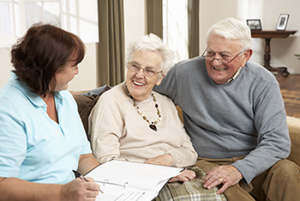
Home Health Aide/Personal Care Aide Tasks
Home health aides typically provide assistance to people with every-day tasks so that they can be as independent as possible while remaining in their own homes. Typical tasks include bathing, dressing, and assisting a patient with using a bedpan, urinal, commode, or toilet. HHAs may also be involved with purchasing and preparing food and assisting a patient with eating during meals. Depending on the state in which they live, HHAs may also participate in health care activities such as taking vital signs (such as checking blood pressure, pulse, respiration rate, and temperature) and assisting with prescribed medications under supervision, by providing reminders to patients. Personal care aides, however, may not perform the above health care activities.
Other tasks, such as light housekeeping duties such as vacuuming, laundry, and washing dishes, help to maintain the home of the person you are caring for. It is important that home health aides and personal care aides keep accurate records of the services they provide and the tasks they complete. Developing a trusting relationship and providing companionship for the person they are caring for is an important aspect of being a home health aide and personal care aide, and is one of the most rewarding aspects of their job. Since the HHA is providing intimate and important care to the patient, they will have an opportunity to get to know him or her as a person very well. Home health aides and personal care aides keep records of their patient’s progress and report any changes in their patient’s condition to their supervisor.
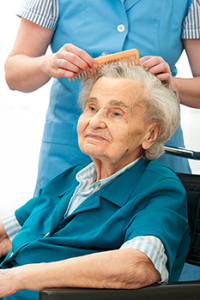
Examples of Tasks Performed by HHAs and PCAs:
- Bathing
- Dressing
- Toileting
- Purchasing and preparing food
- Eating
- Monitoring vital signs (for HHAs only)
- Housekeeping duties (vacuuming, laundry, dishes)
- Companionship
- Record keeping