
Fruit Group
Most fruits are low in fat and all fruits have no cholesterol. Fruits are considered an important part of our diets and have many protective health benefits. Eating a diet high in fruits has been shown to reduce the risk of heart disease, some types of cancer, obesity, and type 2 diabetes. In general, 1 cup of fruit or fruit juices or ½ cup of dried fruit are considered a serving size from the fruit group.
Fruit Sources:
- Apples
- Apricots
- Bananas
- Blueberries
- Cantaloupe
- Cherries
- Fruit juices (100% fruit juice, all varieties)
- Grapefruit
- Grapes
- Kiwi
- Lemons
- Limes
- Mangoes
- Nectarines
- Oranges
- Papayas
- Peaches
- Pears
- Pineapples
- Plums
- Raisins
- Raspberries
- Strawberries
- Watermelon
Recommended Daily Servings:
Children:
2-3 yrs.: 1 cup
4-8 yrs.: 1-1 ½ cups
Girls: 9-18 yrs.: 1 ½ cups
Boys:
9-13 yrs.: 1 ½ cups
14-18 yrs.: 2 cups
Women:
19-30 yrs.: 2 cups
31+ yrs.: 1 ½ cups
Men: 19-51 + yrs.: 2 cups
Vegetable Group
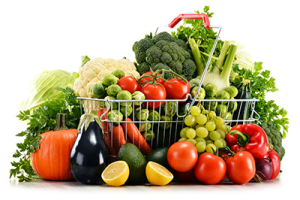
Most vegetables are low in fat and all vegetables have no cholesterol. Vegetables are considered an important part of our diets and have many protective health benefits. Eating a diet high in vegetables has been shown to reduce the risk of heart disease, some types of cancer, obesity, and type 2 diabetes. In general, 1 cup of raw or cooked vegetables or 2 cups of leafy greens counts as one serving of vegetables.
Vegetable Sources:
- Artichokes
- Asparagus
- Bok choy
- Broccoli
- Celery
- Collard greens
- Corn
- Cucumbers
- Green lima beans
- Green peas
- Lettuce
- Kale
- Mushrooms
- Mustard greens
- Onions
- Peppers (green, red, orange, yellow)
- Potatoes
- Spinach
- Squash (all varieties)
- Sweet potatoes
- Taro
- Tomatoes
- Turnip greens
- Water chestnuts
Recommended Daily Servings:
Children:
2-3 yrs.: 1 cup
4-8 yrs.: 1 ½ cups
Girls:
9-13 yrs.: 2 cups
14-18 yrs.: 2 ½ cups
Boys:
9-13 yrs.: 2 ½ cups
14-18 yrs.: 3 cups
Women:
19-50 yrs.: 2 ½ cups
51+ yrs.: 2 cups
Men:
19-50 yrs.: 3 cups
51+ yrs.: 2 ½ cups
Grain Group
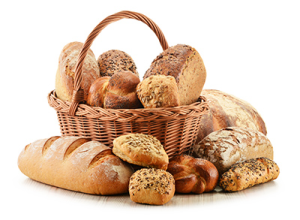
Foods made from wheat, rice, cornmeal, rye, barley or other grains are considered grain products. Grain products are important sources of energy for our bodies. In general, 1 slice of bread, 1 cup cold cereal, ½ cup cooked cereal, rice, or pasta are considered to be a serving size of grain. Diets high in whole grain foods have been shown to reduce the risk of heart disease, reduce constipation, and help maintain a healthy weight. Select choices from the grain group from those that are high in fiber and made with whole grains for the most health benefit. You should strive to make at least half of your grains whole grains.
Grain Sources:
- Barley
- Bread (all kinds)
- Bulgur
- Cereals (all kinds)
- Cornbread
- Cornmeal
- Couscous
- Crackers
- Millet
- Muesli
- Oatmeal
- Rice
- Pasta (including whole wheat)
- Popcorn
- Pretzels
- Tortillas
Recommended daily servings:
Children:
2-3 yrs.: 3 oz.
4-8 yrs.: 5 oz.
Girls:
9-13 yrs.: 5 oz.
14-18 yrs.: 6 oz.
Boys:
9-13 yrs.: 6 oz.
14-18 yrs.: 8 oz.
Women:
19-50 yrs.: 6 oz.
51+ yrs.: 5 oz.
Men:
19-30 yrs.: 8 oz.
31-50 yrs.: 7 oz.
51+ yrs.: 6 oz.
Oils
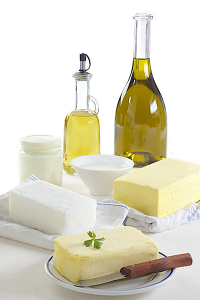
Oils are NOT a food group, although they provide essential nutrients we need for our body. Oils include items such as butter, oils, margarine, mayonnaise, salad dressings. These food items should be used sparingly. Foods such as fish, nuts, and avocados are good choices of fats. Many foods we eat, especially those that are processed, often are high in fat. This should be considered when planning meals. In general, 1 ounce of nuts, 1 tablespoon margarine, mayonnaise, or oils, and 2 tablespoons of salad dressings count for one serving of oils.
Recommended daily servings:
Children:
2-3 yrs.: 3 tsp.
4-8 yrs.: 4 tsp.
Girls: 9-18 yrs.: 5 tsp.
Boys:
9-13 yrs.: 5 tsp.
14-18 yrs.: 6 tsp.
Women:
19-30 yrs.: 6 tsp.
31+ yrs.: 5 tsp.
Men:
19-30 yrs.: 7 tsp.
31+ yrs.: 6 tsp.
Creating a basic menu plan involves including a food from each food group. To help create well-balanced meals, it is helpful to follow the ChooseMyPlate food guidelines.
ChooseMyPlate.gov suggests the following key points:
- Focus on fruits
- Vary your vegetables
Make half your plate fruits and vegetables
- Make at least half your grains whole grains
- Go lean with protein
- Get your calcium rich foods
Dietary Guidelines
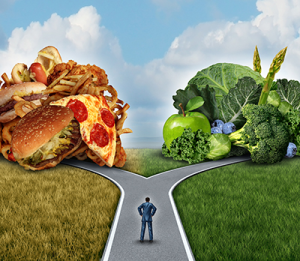
In addition to taking in well-balanced foods and creating healthy meal plans, it is important for Home Health Aides/Personal Care Aides to keep the following in mind when planning and preparing meals to serve their patients:
- Consume a variety of foods within and among the basic food groups. This helps to ensure meals are well-balanced and interesting.
- Control caloric intake in order to maintain an optimal weight.
- Be physically active every day. Even people who have physical limitations can engage in exercise within the constraints of their limitations. For example, people who have limited mobility can do leg and arm exercises independently or with help, rock in a rocking chair, turn side to side, and do simple exercises. Follow the guidelines set forth in the Care Plan that will detail the kind of activity the patient can engage in.
- Increase daily intake of fruits, vegetables, whole grains and nonfat or low fat milk and milk products.
- Switch to fat free or low fat milk and milk products.
- Choose fats wisely.
- Choose carbohydrates wisely. Select complex carbohydrates rather than simple carbohydrates which tend to have more sugar content in them.
- Choose and prepare foods with little sodium (salt). Read labels to check for sodium content and avoid prepackaged and boxed foods.
- Switch to water and reduce consumption of sugary drinks.If the patient drinks alcohol, they should do so in moderation. Guidelines suggest that women should consume no more than 1 drink per day and men no more than 2 drinks per day.
- Keep foods safe to eat and follow good hygiene practices during food preparation.
Other Considerations
Home Health Aides/Personal Care Aides should involve their patients in meal planning. Use communication skills learned throughout this course to educate patients about healthy food choices. When planning meals, they must take into consideration their patient’s food preferences, cultural and or religious background, eating habits, ability to chew and digest food, convenience of preparation, and calorie and special nutrient needs. Food preferences are determined by our family, culture, religious beliefs, foods we may choose not to eat, such as animal products for vegetarians, and the area we grew up or in which we live. There may be regional or ethnic differences in food preferences. Talk to the patient about their food preferences and beliefs. Watch the types of foods they eat. Make suggestions and ask for feedback. Ask them to share the foods they most enjoy. Always also assess for any allergies to foods, as these would be items to avoid purchasing or preparing in the patient’s home.
Cost of Food
It is also important to consider the cost of food and the family’s ability to afford various types of food. If Home Health Aides/Personal Care Aides have a concern that the family is not getting enough to eat, they should speak to a supervisor. Various community resources are available to help families who cannot afford enough food. Use coupons when shopping for food and look for sales. Plan meals weekly. Use items that are on hand or that will spoil sooner first. Make a shopping list and stick to it. Purchase items such as dried beans and canned fishes to help provide less expensive sources of protein. When possible, buy in bulk. Purchase produce when it is in season as it will be freshest and cheaper.
Food Preparation
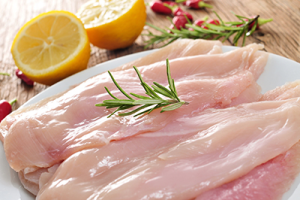
When selecting foods to plan a menu and foods to offer a patient, Home Health Aides/Personal Care Aides should use the basics of good nutrition and follow the ChooseMyPlate guidelines.
- Choose a variety of foods to keep it interesting.
- Choose foods that are low in fat, low in saturated fat, and low in cholesterol
- Select lean meats, fish, and poultry.
- Avoid fatty cuts of meats.
- Remove the skin from poultry to reduce fat.
- Use sugar and salt in moderation.
- Herbs and spices can be used to help flavor food and according to the patient’s preferences.
- Choose plenty of fruit, vegetable, and grain products for snacks and meals.
- Avoid frying foods as this adds extra calories, fat, and cholesterol.
- Steam vegetables to maintain the most flavor and nutrition.
- Bake, broil, or microwave foods rather than frying or sauteing in butter or oil.
- Avoid convenience foods such as those that are pre-made or prepackaged. When foods are prepared fresh, you always know the ingredients and there will be less preservatives, sodium, fat, and calories.
(upload video on preparation of Food & blender use)
It is very important for Home Health Aides/Personal Care Aides to involve their patient in the planning and preparing of meals. Not only is the patient more likely to eat foods if they choose them, but it also helps to promote independence and self-determination. Working with a patient to plan meals and prepare foods can also help to strengthen the relationship. Share tasks of food preparation, keeping in mind any physical or cognitive limitations a patient may have. Home Health Aides/Personal Care Aides should not allow their patient to perform unsafe tasks if they are unable to do so. For example, young children should not be allowed to use sharp knives and dangerous equipment. A person with dementia who may forget what they are doing should be closely supervised while using knives or the stove. If adaptive equipment is available, teach and encourage the patient to use it. If they can assist to provide their own care, this will help promote self-esteem and independence.
Getting involved in meal planning and preparation can also provide mental and physical stimulation, as well as relaxation and distraction. It can be a time where patients are encouraged to be creative and draw upon their strengths and talents, especially if they enjoy cooking. Many people enjoy food, either cooking or eating it. Home Health Aides/Personal Care Aides can make this time fun and relaxing by going through cookbooks and magazines with attractive pictures to help stimulate interests in food. Make a list of items that are on hand and Home Health Aides/Personal Care Aides can even make planning a meal with on-hand ingredients a fun game.
Available Cooking Equipment
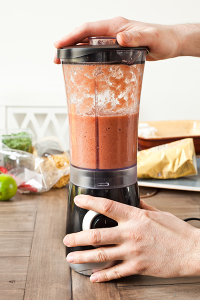
While preparing food in a patient’s home, Home Health Aides/Personal Care Aides may only have access to the available equipment they have on hand. There may not be a lot of equipment to choose from. They may need to get creative in order to adequately meet their patient’s nutritional needs. Discuss ideas with a supervisor about how to best do this.
Serve Quality Food
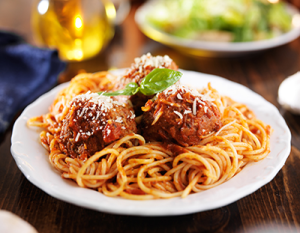
- Purchase food that will not expire soon.
- Check expiration dates on all food in order to ensure it is fresh.
- Discard food that is past its expiration date.
- Select fresh fruits and vegetables.
- Don’t select those that are overripe, bruised, or have brown spots.
- Cook foods only until tender, unless the patient’s preferences and diets state otherwise. Overcooking foods destroys good nutrients.
- Serve food that is eye-appealing. Food that looks attractive will more likely be eaten and could help stimulate a person who has a poor appetite to eat.
Serving Meals
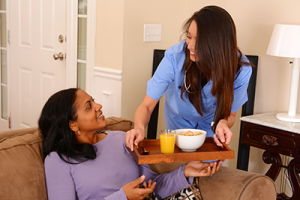
Mealtime is an excellent time to spend with a patient and their family. Home Health Aides/Personal Care Aides can use it as a time to talk, to learn more about their patient and to allow their patient time to socialize with them and others. Make sure to always plan for extra time during meals so the patient does not feel rushed. Sit next to or across from them whenever possible. Avoid doing other tasks while the patient is eating. Instead, use this time to socialize with them, unless they do not prefer it. If the patient has a swallowing problem, remember not to ask them questions while they are trying to chew or swallow, as this could lead to choking. Plan conversation for the time in between bites. If the patient requires assistance to eat, sit next to them. This will allow Home Health Aides/Personal Care Aides to be close enough so they do not have to overextend their back while feeding the patients. Be patient as they chew and do not rush them by trying to give them another bite of food while they are still chewing the first.